

Key takeaways:
- AEO makes your content easy for AI tools like ChatGPT to find, understand and quote.
- Answer the real questions customers ask before buying, with accurate, specific details.
- Track mentions, citations and real enquiries, since a mention alone doesn’t mean a sale.
Imagine a customer asking chatgpt to compare furniture stores that deliver to Islamabad. Does your business appear, and are its delivery details correct? These questions give business owners another reason to review how clearly their websites explain what they offer.
Answer Engine Optimization focuses on making your content useful and discoverable in AI-generated responses. For Pakistani businesses, a practical starting point is answering customer questions with accurate, specific information. This guide explains how to choose those questions, strengthen your content, and monitor visibility, without assuming that a mention automatically produces a sale.
From Search Results to Direct Answers
So, what is AEO in everyday business terms? It is the practice of improving your content so answer engines can discover, understand, and potentially reference it when responding to users.
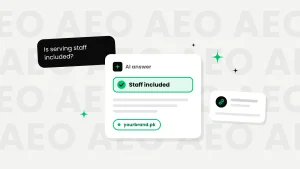
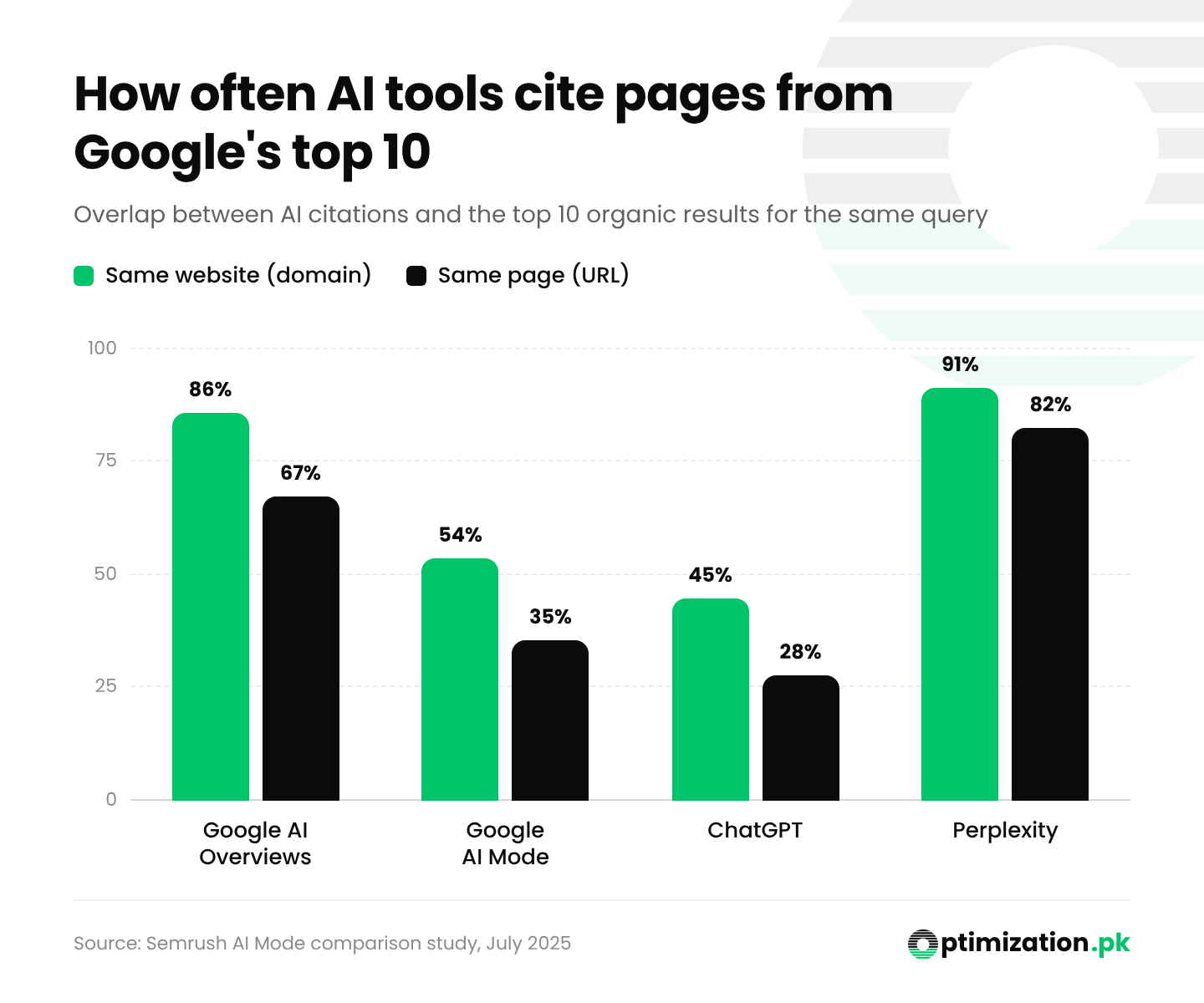
Platforms such as chatgpt and search features such as Google AI Overviews can present answers with links to supporting sources. A brand mention names your business; a citation links to a source page. They serve different purposes and do not always appear together.
For example, an answer might name your furniture store when discussing delivery options. A linked delivery-policy page lets the customer verify coverage, charges, and conditions before contacting you.
Keep Your SEO Foundation Working
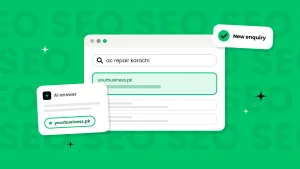
When comparing AEO vs SEO, focus on how customers discover your business. SEO supports visibility in organic search results, while Answer Engine Optimization focuses on your content’s presence in generated answers. Their foundations overlap: accessible pages, relevant information, and credible sources matter to both.
| Focus | Traditional search | AI answers |
| Presentation | Ranked pages and search features | Generated responses with possible citations |
| Measurement | Impressions, clicks and enquiries | Mentions, citations, referral visits and enquiries |
Keep improving your internal links, service pages and technical accessibility. A page that clearly answers a customer’s question can support both discovery routes; you do not need to abandon existing SEO work.
Find the Questions Behind Buying Decisions
A useful starting point for answer engine optimization in Pakistan is the questions customers ask before spending money. Review sales calls, WhatsApp conversations, and Google Search Console queries to identify concerns your website has not addressed.
For a furniture retailer, these might include:
- Do you deliver outside Lahore?
- Does the price include assembly?
- Can customers choose a different fabric?
- What happens if an item arrives damaged?
Group questions by cost, suitability, delivery, and after-sales support. Then answer them on the relevant product or service pages. Choose English, Urdu or Roman Urdu according to your audience’s needs, using clear wording rather than forcing every language variation into one paragraph.
Write Answers Customers Can Actually Use
Effective AI search optimization starts with answers that resolve uncertainty. Put the direct answer first, then explain conditions, exceptions, and the customer’s next step.
For example, a retailer could replace “Nationwide delivery available” with: “We deliver to Lahore, Islamabad and Rawalpindi. Charges depend on your postcode and furniture size; request a delivery quote before ordering.” Only publish details that reflect your actual service.
Use descriptive headings, short paragraphs, and comparison tables where they make information easier to understand. Include prices in PKR when appropriate, with clear inclusions. There is no universal answer length that guarantees a citation; completeness and accuracy should guide the wording.
Make Your Business Easy to Identify
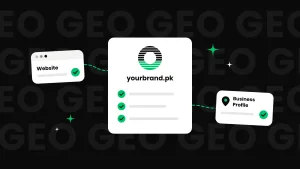
Answer Engine Optimization also involves removing confusion about who you are and what you offer. Keep your business name, contact details, service areas and policies consistent across your website and relevant business profiles.
Check that important information appears as readable text, rather than only inside images. Clear internal links help visitors and crawlers find your service, delivery and contact pages.
Where appropriate, use structured data to describe your organisation or products accurately. It should match the information visitors can see. Google does not require special AI markup for its search features, and adding Schema.org markup does not guarantee that your business will be cited.
Give Readers Reasons to Trust Your Answers
Trust grows when readers can check the information behind your claims. Strengthen your content with relevant author expertise, original photographs, and clear explanations drawn from actual work. If you quote research, link to the source and explain how it applies.
A Pakistani furniture maker, for example, could show how different materials perform, describe care requirements, and clarify warranty exclusions. These details help customers evaluate the product.
Keep prices, policies, and specifications current. Genuine customer reviews and relevant third-party mentions can provide additional context, but avoid invented testimonials or unsupported “best” claims. Publish evidence that helps people make an informed decision.
Measure Mentions, Visits and Real Enquiries
Measure Answer Engine Optimization with a small set of questions that reflect actual buying decisions. Record the wording, platform, and date, then note whether your business appears, which pages are cited, and whether the details are accurate.
Repeat these checks periodically because responses can vary. A few manual searches offer useful observations, not a complete picture of your visibility.
Use Google Analytics to review identifiable referral traffic and relevant website actions. Connect these observations with qualified enquiries and sales where possible. A citation, website visit and confirmed order represent different outcomes; tracking them separately helps you decide which content improvements deserve further attention.
Conclusion
Answer Engine Optimization starts with making your business information clear, useful and verifiable. Choose one question customers regularly ask, then improve the page that should answer it. Include relevant details, explain limitations, and keep the information current as your services change.
For Pakistani businesses, progress means understanding where your brand appears and whether that visibility supports meaningful enquiries. Continue improving your website’s foundations while reviewing what AI answers say about you. To identify a practical starting point, discuss your content and visibility priorities with Optimization.pk.
Practical Questions From Pakistani Businesses
Can I start without paid tools?
Yes. Review customer questions, improve one important page, and manually check relevant AI answers. Record observations in a simple spreadsheet.
Should I publish in English or Urdu?
Follow your customers’ language preferences. Use enquiries and search queries as evidence. Translate useful answers accurately when both audiences need support.
Why does AI show outdated business details?
It may reference older pages or third-party listings. Check linked sources and correct inaccurate information. Updates may take time to appear.
How quickly can my business appear in answers?
There is no guaranteed timeline. Discovery, competition, and platform behaviour vary. Monitor citations and qualified enquiries over time instead of expecting immediate results.